
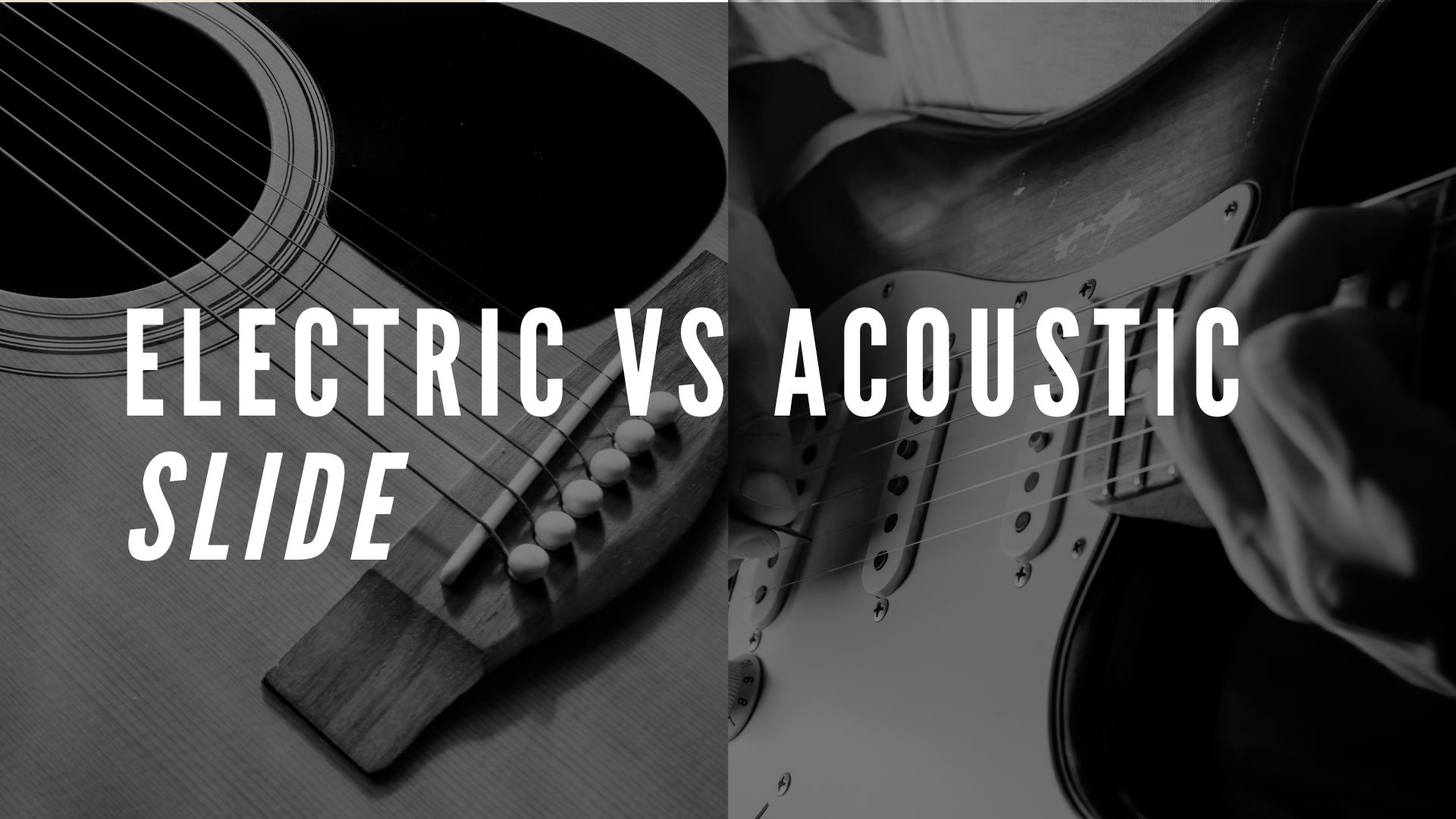
I recently gave a workshop on the differences between acoustic and electric slide guitars. The topic seemed so popular, I thought I'd write my ideas down here too.
Although the title "Acoustic vs. Electric" suggests a rivalry, the truth is far more harmonious. Both kinds of instruments offer distinctive qualities, and the techniques applied to each are remarkably similar.
Let's dive into the fine nuances that define playing slide on these two types of guitars.
Sustain and Technique: Electric’s Advantage
Starting with sustain, electric guitars offer a notable advantage. The extended sustain allows notes to linger, especially when enhanced with drive, making it ideal for soulful expressiveness. With merely a gentle stroke, you can produce tones that resonate richly due to the instrument and amp's contribution. This contrasts with resonators, which often demand more force from your picking hand to achieve comparable sustain.
Moreover, electric guitars allow more subtle manipulation because of this sustain. However, they also require more precise control with string muting to prevent extraneous noise. Mastering techniques like using your palm and thumb to mute lower strings, while fingers mute the higher ones, is essential to avoid a distorted, muddy sound.
The Challenge and Adaptability of String Spacing
Another technical consideration is string spacing. Electric guitars typically have strings closer together than acoustics, offering a unique challenge when playing slide and open string combinations. Nevertheless, adapting between varying spacing can enrich your skill set, enabling smoother transitions back to wider acoustic string spacing.
Intonation and Sound Adjustments
Intonation plays a pivotal role in the acoustic versus electric experience. Acoustic instruments often present easier tuning due to the richness of overtones. Electrically, sound processing through an amp may lack some acoustic depth, requiring initial tuning adjustments as your ears attune to the electric's tone. Incorporating relaxed ear training upon first picking up an electric can ease this transition.
Electrically, the sound can be significantly shaped and modified. From adjusting tone knobs to employing a variety of effects pedals, electrics offer a flexibility that acoustics naturally lack. For instance, a tremolo pedal can add a fantastic extra dimension to the electric guitar sound.
Setup and String Choices
Setup parallels exist between electric and acoustic guitars. With both, you'll need to focus on achieving the lowest action feasible without compromising the guitar's playability or intonation. Slide playing generally requires you to raise the action, but you'll want to keep it as low as you can to make it easier to play. String gauge choices also hugely impact your playing style, regardless of whether you are on acoustic or electric. Heavier strings tend to be the slide players choice, giving the weight and fullness that slide guitar requires.
Slide Materials and Resonator Considerations
The choice of slide material can also influence the sound. Glass slides glide smoother and complement electric guitars well, providing a silky tone without needing added weight for sustain. On an acoustic guitar or a resonator, brass may be preferred, as it gives an extra weight which helps improve acoustic tone. Brass works particularly well on an acoustic guitar that incorporates a pickup, offering added versatility for live play or tonal experimentation.
In Conclusion: Harmony in Differences
In conclusion, an understanding of the subtleties between acoustic and electric slide guitars opens up a world of expression and versatility. Each instrument's features—from sustain to tone control—invite us to explore unique playing styles that suit our individual musical preferences.
Whether you prefer acoustic or electric slide, there's a world of beautiful sounds to dig into. If you're looking for help getting your slide playing off the ground, check out my course, Five Steps To Slide Success - and grab your FREE Get Going With Slide Guide to get you started!
Happy playing!
Phil
 |
ReplyForward
Add reaction
|