
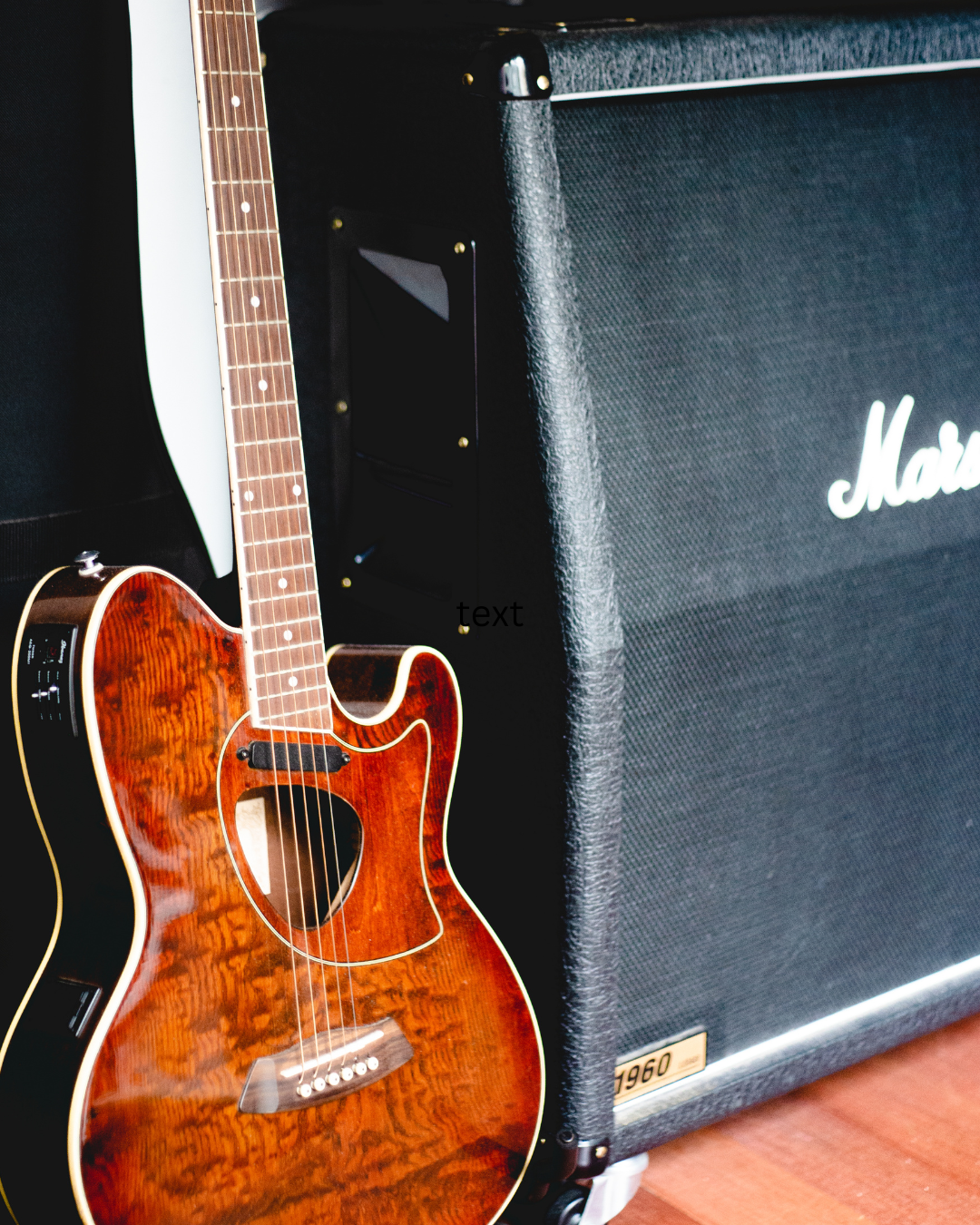
When you are selecting the kit you will play with, your amp is almost as important as your guitar - although I'll admit that it isn't quite as exciting! Whether you’re picking up your first guitar or upgrading your current setup, choosing the right guitar amp is vital and there are many things to consider. There are three main types of guitar amp:
- Solid-state. A solid state amp is a reliable, affordable option that is great for beginners and casual players and produces a clean tone. This is a low maintenance option that is budget-friendly and durable, and popular brands include Fender Frontman and Roland Cube. Just be aware that this type of amp may sound a little sterile compared to a tube amp.
- Tube (Valve). A Tube (valve) amp is a professional choice, popular for blues, rock and jazz, and produces a rich, warm tone. You'll get more volume than with a solid-state amp, but will need to factor in servicing and occasional tube replacement. As you would expect for a professional piece of kit, you'll get a superior tone and a more dynamic response for your increased outlay, and you should be aware that these are heavier and harder to maintain than solid-state amps.
- Modelling/digital amp. A modelling or digital amp can create several different amp tones and effects in one box and is a good choice for home use and recording. This sort of amp comes with built in effects and presets and is an affordable, reliable option offered by brands such as Line 6 and Fender Mustang.
Choice can be overwhelming and with so many types, sizes, and features available, it can be tricky to know where to start! Here are my top tips to make your choice easier.
- Think about what are you playing. One of your first considerations should be whether you are playing an electric guitar or an acoustic-electric. For an electric guitar, you'll need a guitar amp, either solid-state, tube, or digital. If you're playing an acoustic-electric, you'll need an acoustic amp or a PA system that is designed to provide a clean tone and also allows you to adapt for vocal input.
- Where will you be playing? Your ideal amp will depend on the environment in which you play. For playing at home, you'll want an amp with lower wattage, up to 20 watts, for instance, while an amp for a large venue will ideally be around 50-100 watts. However, it is important to remember that a 15 watt tube amp can be louder than a 50-watt solid-state amp. Tube amps sound best when cranked a bit, so it isn't always a good idea to go big!
- What effects do you need? Some amps come with built-in effects such as reverb, delay, chorus or overdrive/distortion, and this can be helpful if you do not want to use separate pedals. You may also want to ensure that you can use headphones to practice silently, or that you have a Line Out/USB connection to record directly into a computer. A foot switch can be helpful for handsfree use or to switch channels, and an FX loop is another option you may love.
- What is your budget? Your budget will dictate the type of amp you use, to some extent. Beginner practice amps can be acquired for less than £150, while a large pro set up will set you back thousands.
All in one amps and speakers, known as combo amps, are easier for beginners and many performers, while an amp with a head and cab, with a separate speaker unit, is more suitable for professional gigging and is easier to customise.
Whenever you are choosing instruments and equipment, it's important to try several options to find the best fit - you'll know when you find the right amp!
Check out my new quick short Slide Guitar course here, early bird price available for a few more days: https://members.slidesuccess.co.uk/p/slide-success-foundations