
There's something magical about pulling out a slide during a folk jam session and watching faces light up. The distinctive glassy sound can add so much texture and emotion to a tune. But it can take a while to figure out how to use slide in group settings without either disappearing into the background or accidentally dominating the proceedings. We talk about this and much more in my Slide Success and Slide Success: Foundations courses, and in my Learn Slide Guitar Facebook Group.
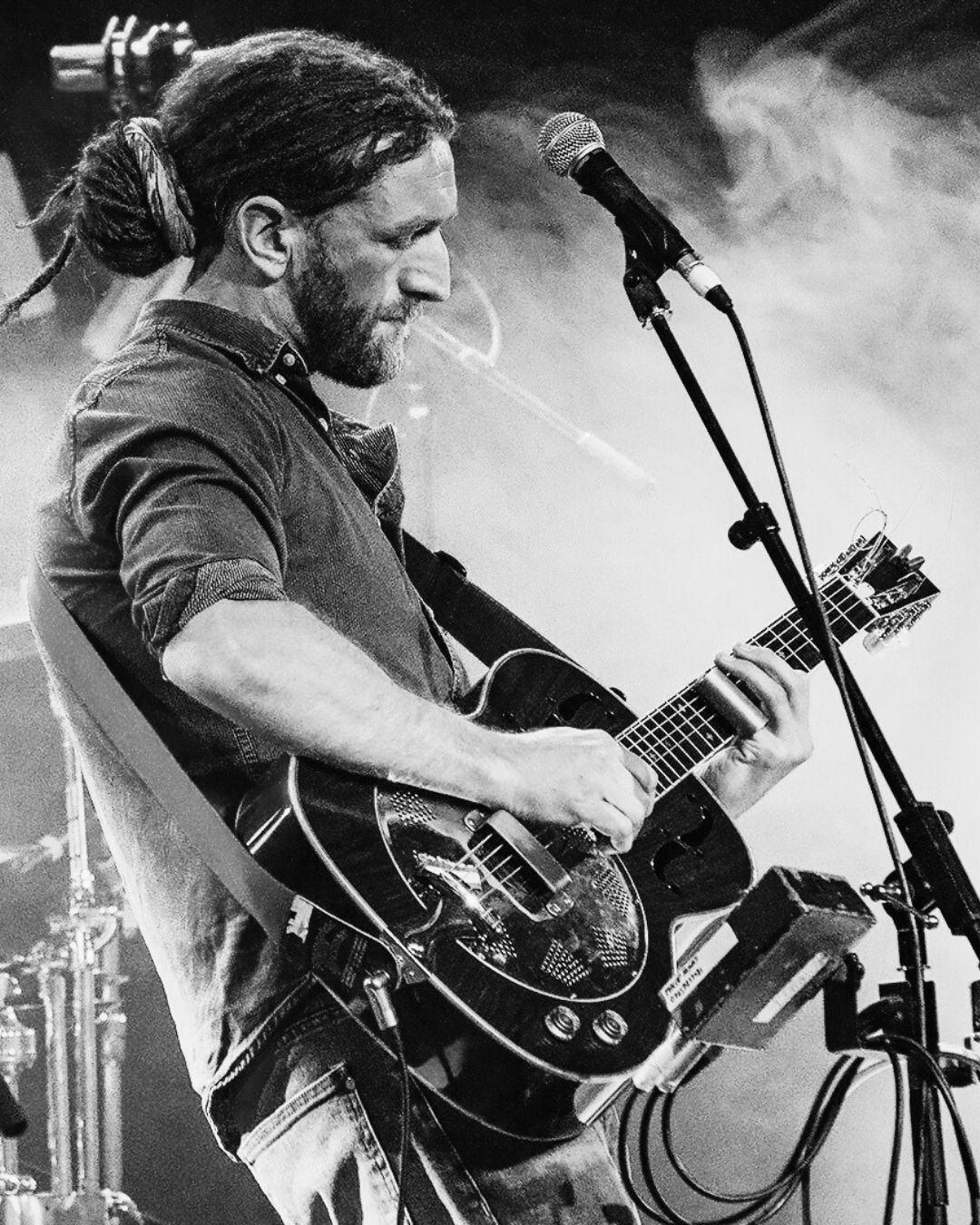
Here's how to make it work:
Volume awareness is everything. Slide guitar, especially on a resonator, can really project. What feels like a nice medium volume when you're practicing alone can suddenly sound pretty loud when there's a fiddle, banjo, and vocalist all sharing space. I usually start a bit quieter than I think I need to, then adjust. If people are leaning away or the singer's straining, you know you've crossed the line.
Texture over constant playing is a good golden rule to follow. When you're playing with others, slide works beautifully as an accent instrument. The moments between the vocal phrases are your territory. A slide phrase that answers a vocal line, or adds a lonesome cry during an instrumental break, can be absolutely perfect.
I've found that watching the vocalist tells you almost everything you need to know about your role in a song. During verses, I keep it minimal – some subtle sustained notes or gentle atmospheric tone is often enough. The words need space to breathe. But when the chorus opens up or there's an instrumental section, that's when you can let the slide sing.
Choosing your moments for lead breaks requires some judgment and communication. In folk circles, it's usually pretty collaborative – someone might nod your way or you'll feel when it's natural to step forward. I try to keep my slide solos melodic and conversational, telling a story rather than proving a point. A simple, soulful phrase often lands better than a flurry of notes.
One technique that's really helped me is learning how to perform behind other solos. When the fiddler or mandolin player takes a break, I'll often play sustained open-string drones or simple slide chord stabs on the root and fifth. This creates a supportive bed of sound without competing for attention, and generosity usually comes back around – musicians remember who makes space for others.
And don't forget, it's totally okay to put the slide down for entire songs. Some tunes just don't need it, and forcing slide into every situation doesn't serve the music. I've had some of my best jamming experiences by playing standard fingerpicking on half the songs and saving the slide for where it really adds something special.
The beautiful thing about folk music is its communal spirit. Everyone contributes to something bigger than themselves. When you approach slide guitar with that mindset, you'll find you get invited back to jams again and again.
What's your experience playing slide with others? Do you find certain types of songs work better than others? I'd love to hear what you've discovered out there in the folk music world.
If you’re inspired to learn slide guitar, give me a shout and we’ll get your free one to one session booked in: Book your free session: https://calendly.com/philliphenrymusic/slide-success-discovery-call